
One link was carrying too much
A local business can have a website, booking page, menu, maps listing, Instagram account, and a campaign running at the same time. The customer may arrive through one short profile link or a QR code on a flyer. The business still needs to make the right action obvious.
A simple link list solves part of that problem. It gives people a destination. It does not necessarily tell the operator which source brought someone in, which action they took, or whether the result was confirmed. That gap is why we began building Hubly.
Design the page around the customer's job
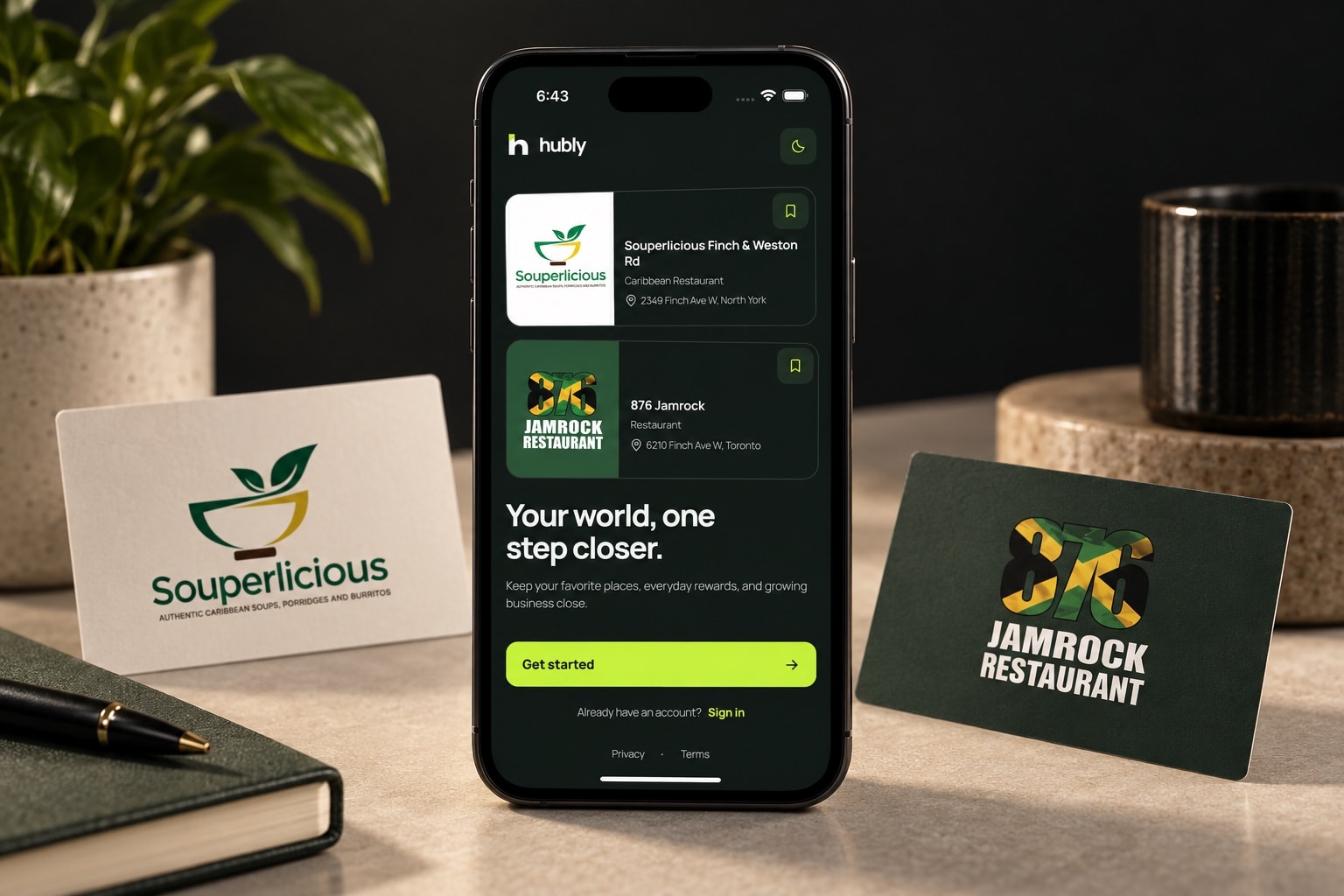
The first layer is a useful digital front door: business information and clear actions such as call, directions, booking, menu, or a current offer. An 876 Jamrock page is one example of the kind of customer-facing Hub we have worked on. The page should still make sense to someone who has never heard of the tool behind it.
The second layer is for the operator. Campaign links and QR codes can separate sources without forcing every customer into a different experience. A restaurant can compare a flyer, a social post, and a profile link; an agency can keep client workspaces distinct.
Be honest about the evidence
A visit is not a call. A call tap is not a completed booking. A booking request is not automatically a sale. Hubly's reporting is designed to show the source and action, then distinguish a provider-confirmed outcome from an inferred or unknown one.
This distinction is part of the product, not a footnote. It keeps a useful signal from turning into an overconfident claim. When the evidence ends at a click, the report should say so.
What building it has taught us
The most useful product decisions came from mapping the full journey: where the person found the link, what they needed at that moment, what action the business wanted, and what data could responsibly be connected afterward. That same map helps us make better decisions for client websites and campaigns.
Hubly is still in a founding-access and readiness stage. Its public demo and product work show the direction, while release and billing details should be verified before anyone treats it as a generally available service.
For a local business, the immediate exercise is simple: list every place a customer can discover you, the action each place asks them to take, and whether that action is easy to complete on a phone. You will often find the first improvement before you buy another marketing tool.
 01